Digital Transformation in Action: Municipal Leaders on AI, Cybersecurity, and Service Modernization
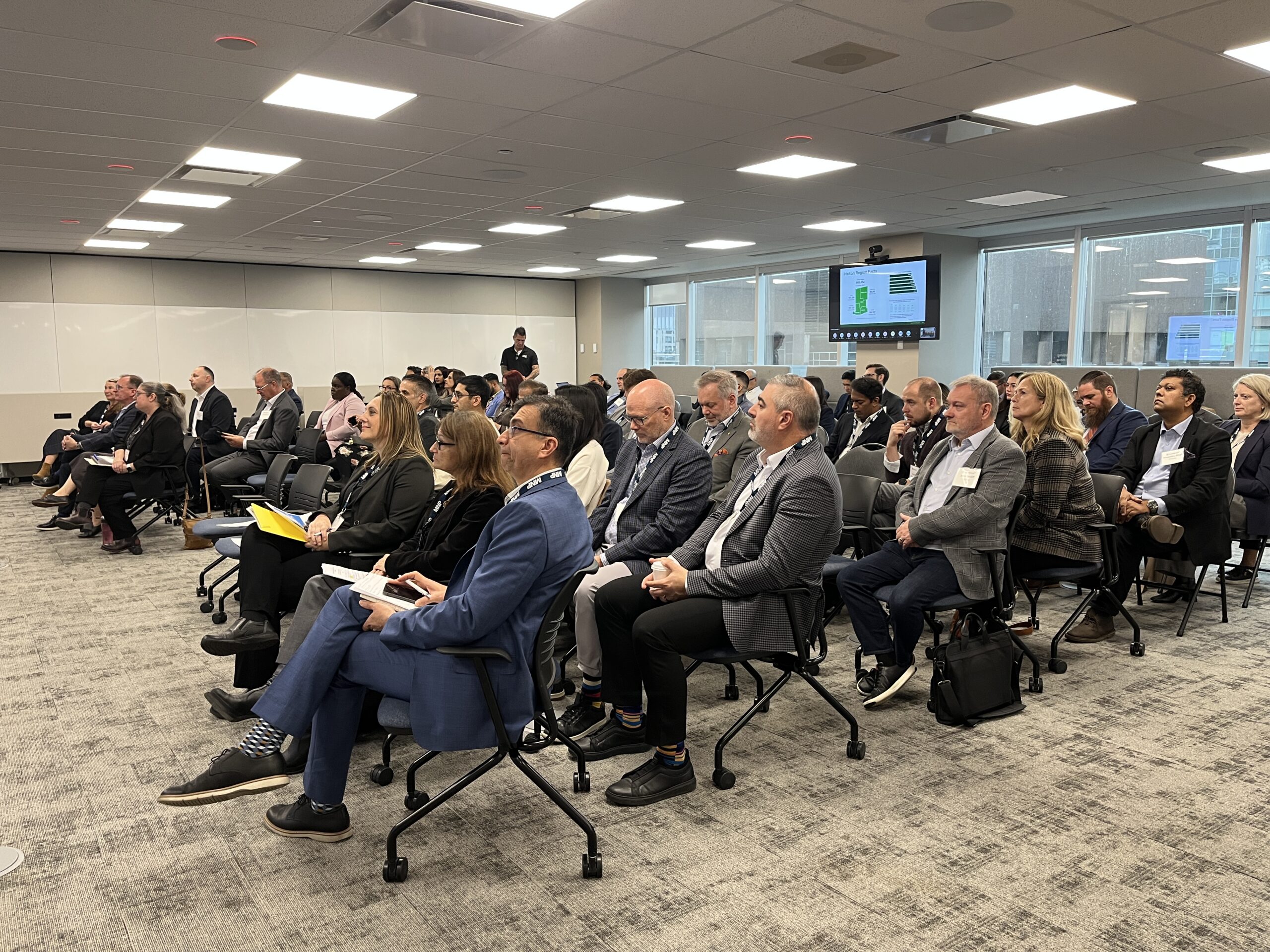
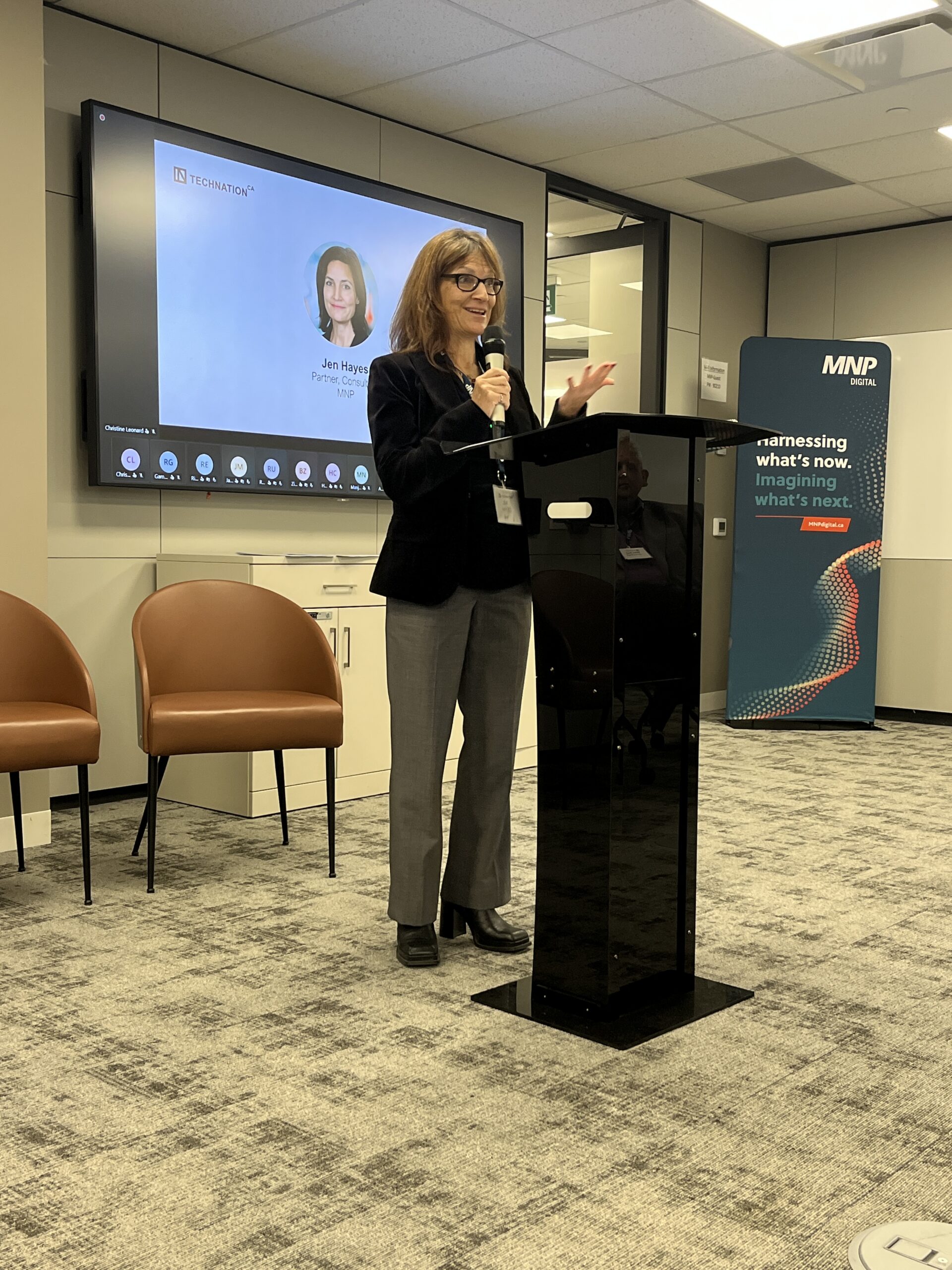
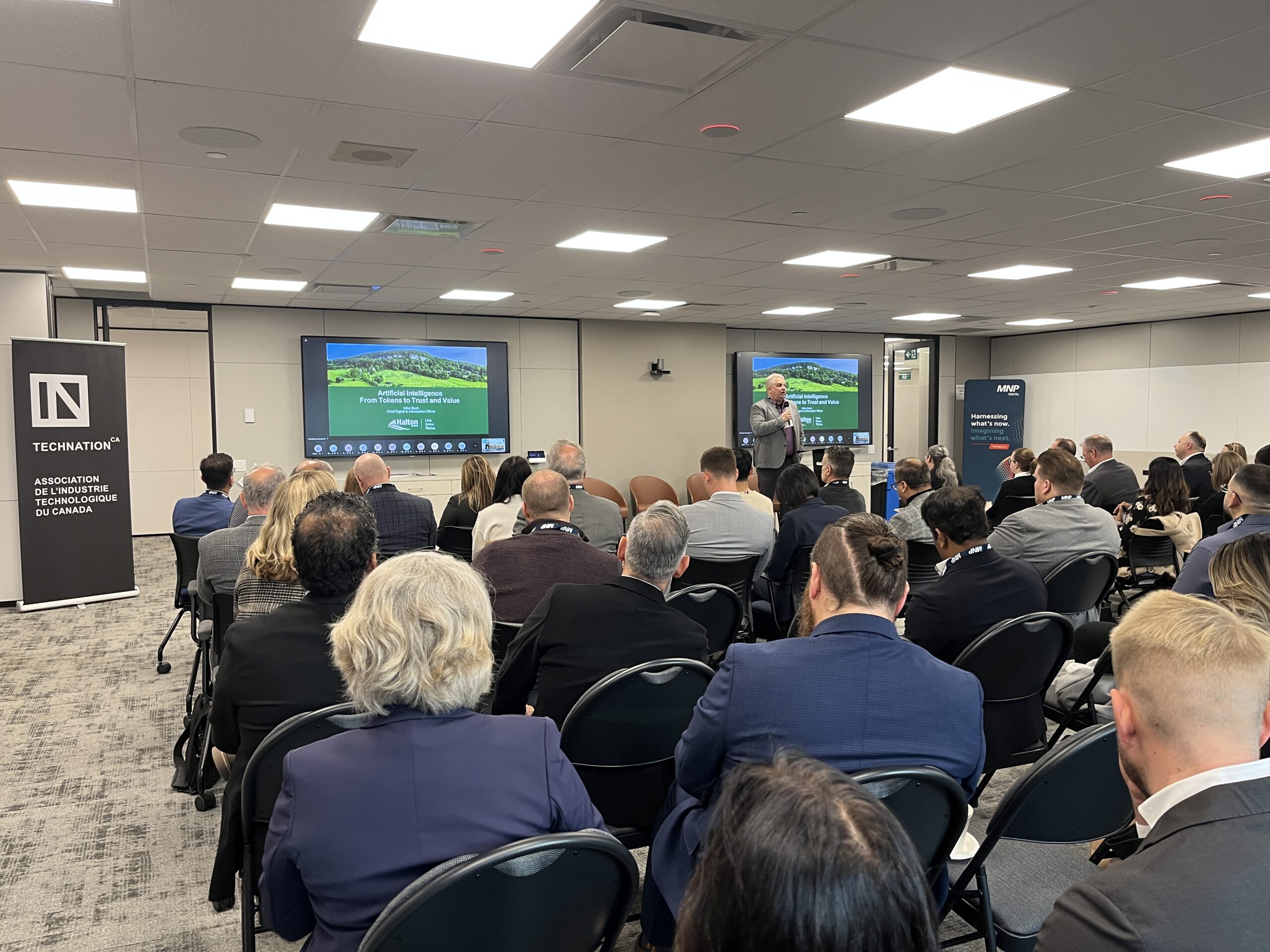
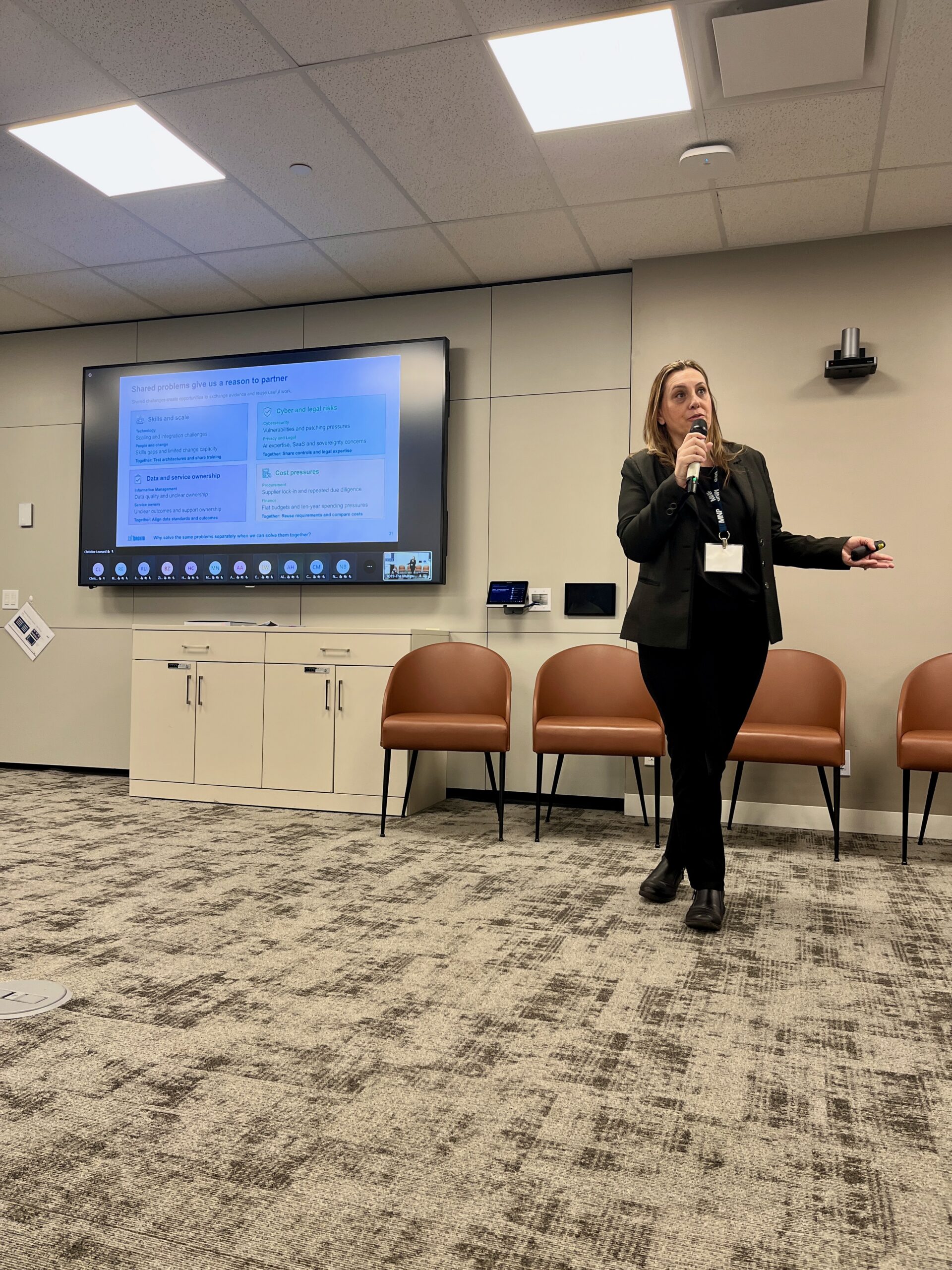
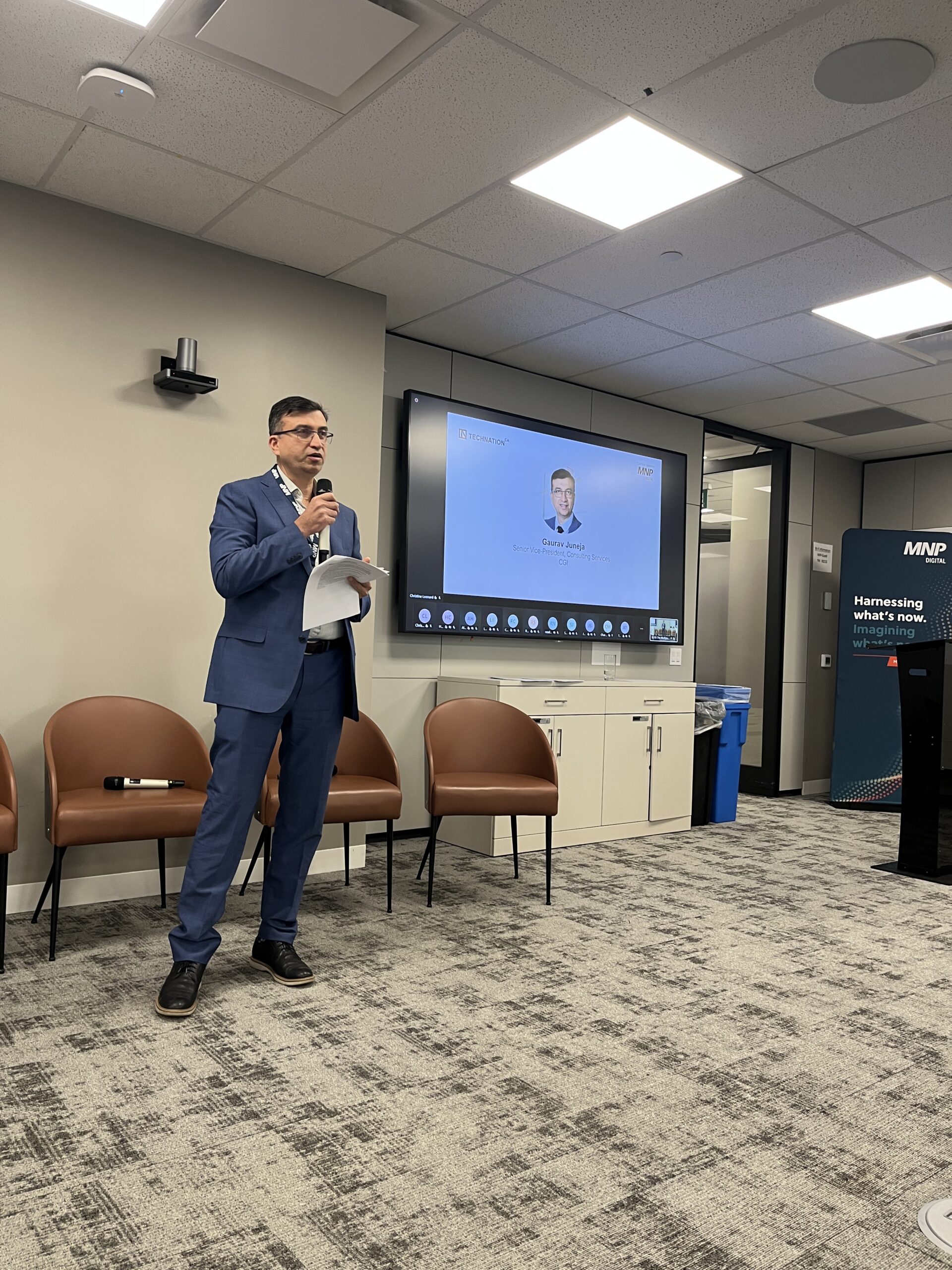
 On October 28, municipal leaders and industry leaders convened for TECHNATION’s Broader Public Sector Briefing – Municipalities to explore how communities across Ontario are navigating digital transformation, artificial intelligence, cybersecurity, and modern service delivery. As public expectations continue to evolve, municipalities are balancing the need to innovate with limited resources, growing cyber risks, and increasing demand for seamless digital services.
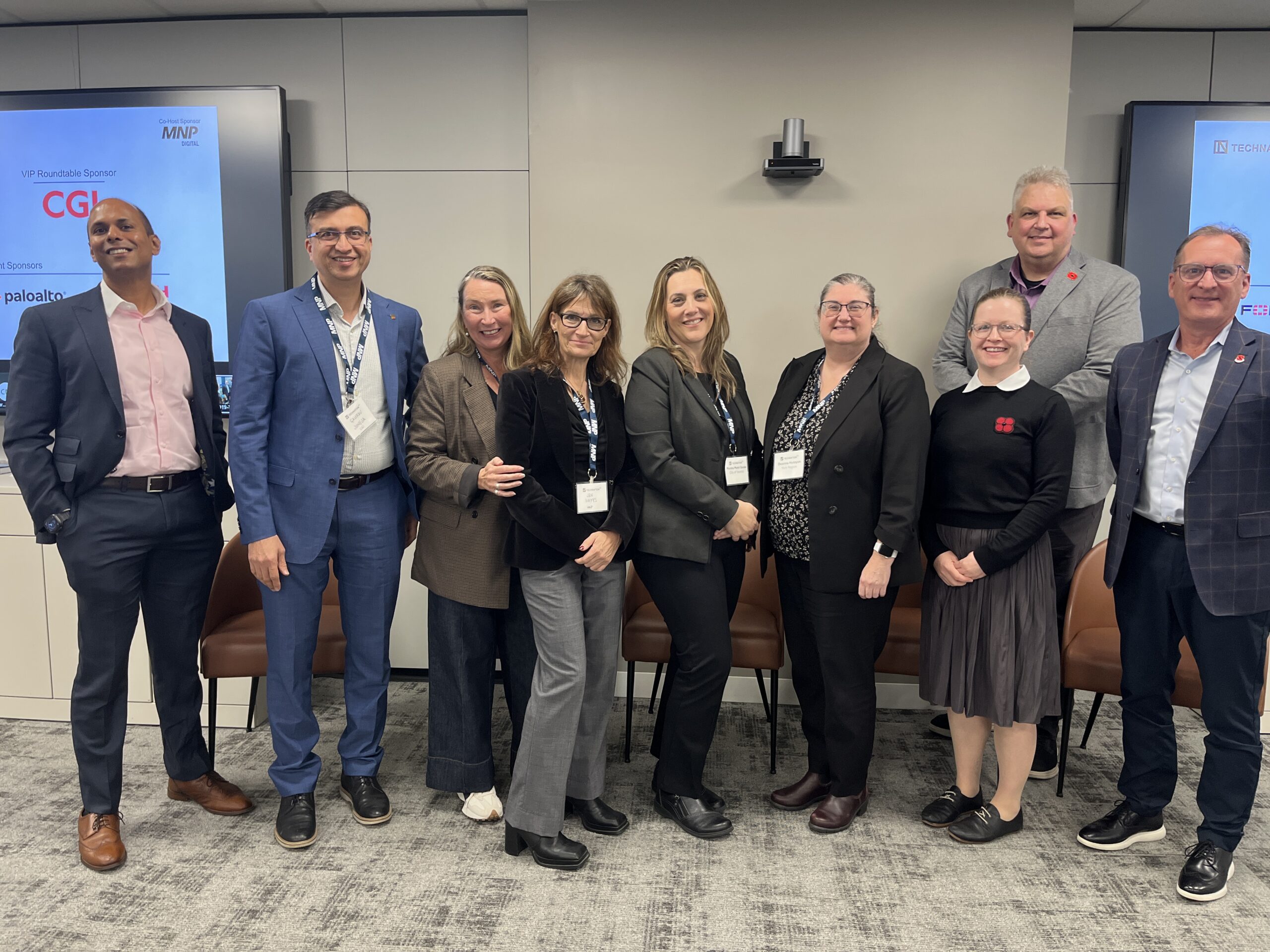
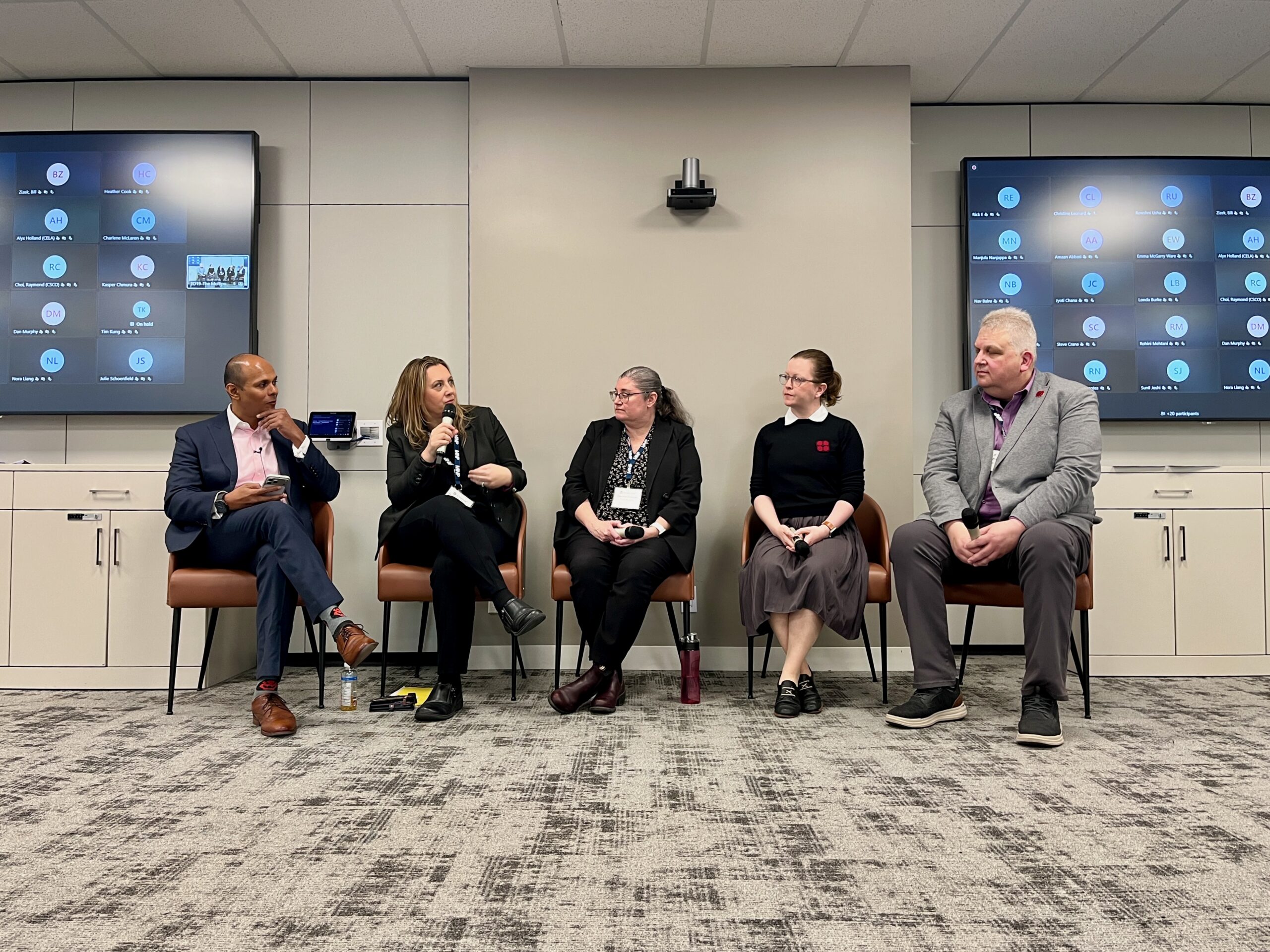
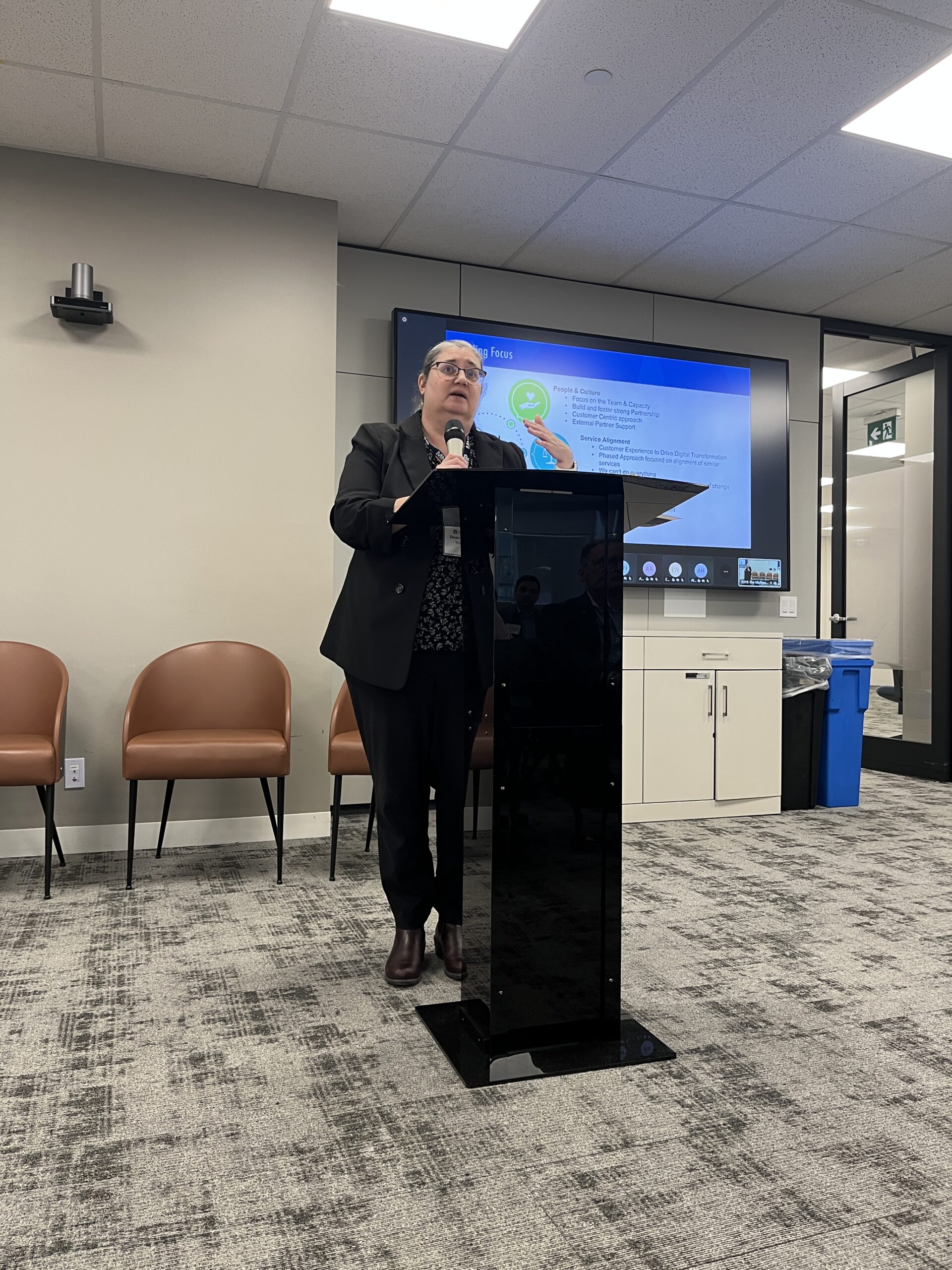
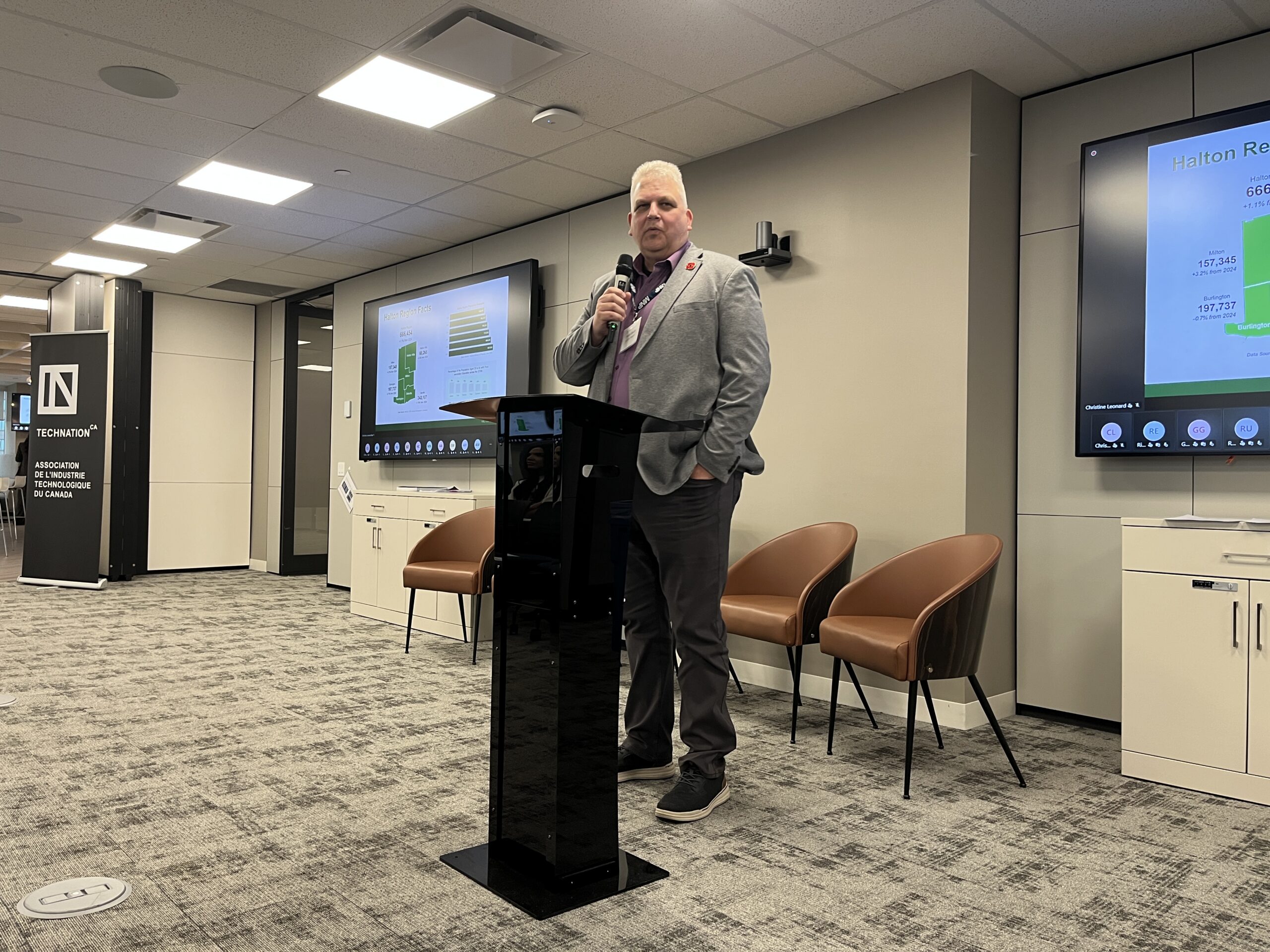
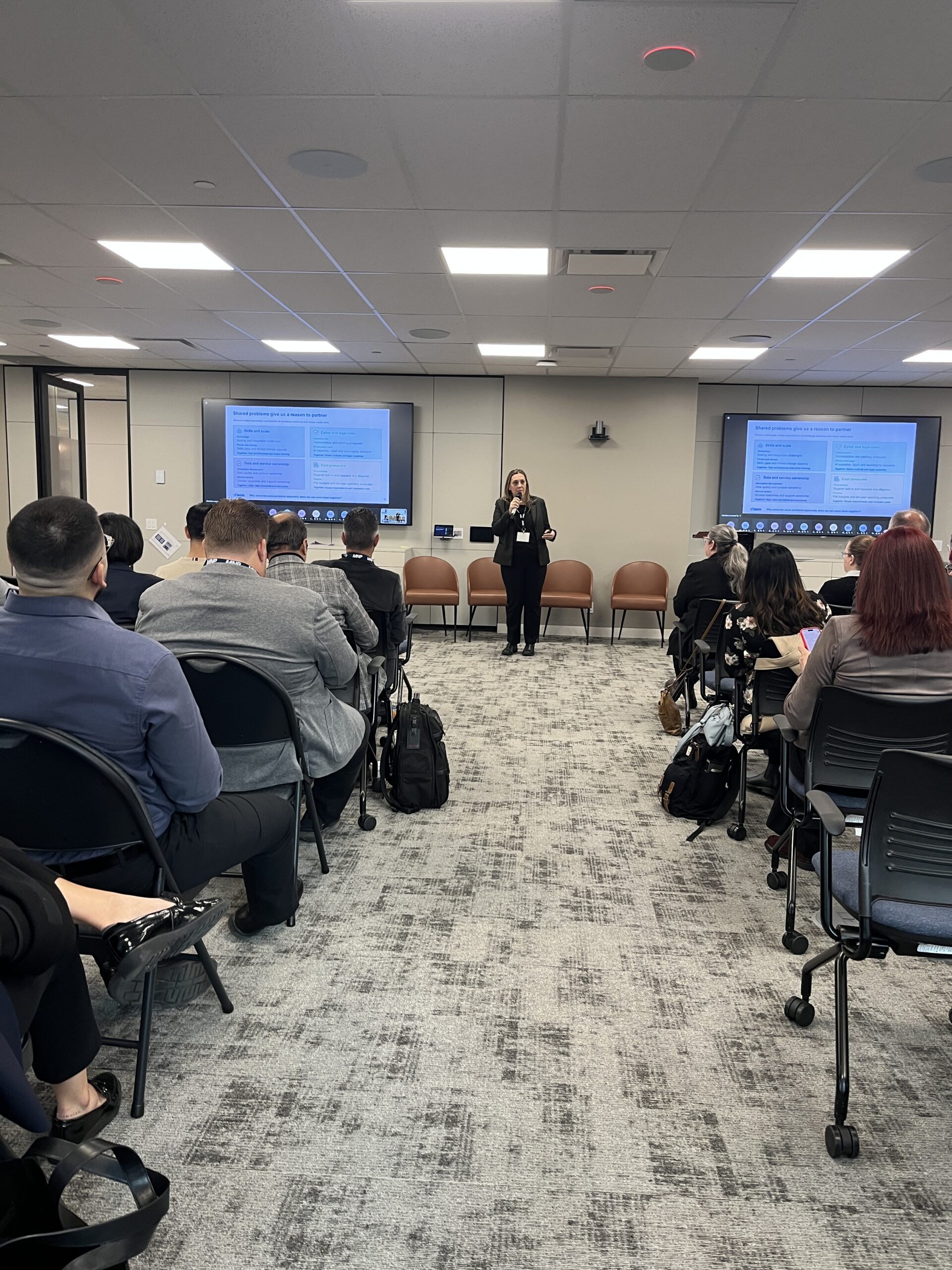
During a panel discussion moderated by Vishen Maharaj (Director, AI Engineering, MNP Digital), speakers Deanna Hotoyan, (General Manager, Digital, Data, Technology & Customer Experience, York Region), Monika Matel Sousa (Interim Deputy Chief Technology Officer, City of Toronto), Mike Bach (Chief Digital & Information Officer, Halton Region), and Katy Lalonde (Chief Digital and Data Officer, Supply Ontario), shared insights on the opportunities and practical challenges shaping municipal digital transformation efforts.
The conversation underscored that modernization is about far more than simply implementing new technologies. Before organizations can fully realize the benefits of emerging tools, they must address foundational challenges such as aging infrastructure, fragmented systems, data management, cybersecurity, governance, and workforce readiness. Speakers discussed the importance of building strong digital foundations that enable municipalities to deliver services more efficiently while remaining adaptable to future change.
Delivering Better Services Through Responsible AI
While enthusiasm for AI continues to grow, speakers emphasized the need to stay grounded in practical outcomes. Municipalities are exploring opportunities to use AI to improve service delivery, increase productivity, support decision-making, and streamline operations, but successful adoption will depend on trust, transparency, responsible governance, and measurable value. Rather than pursuing technology for its own sake, organizations are increasingly focused on identifying use cases that solve real problems and deliver tangible benefits for residents and staff alike.
Scaling What Works
The discussion also highlighted a broader shift taking place across the municipal sector. Many organizations are moving beyond experimentation and pilot projects toward scaling proven solutions. The challenge is not simply identifying innovative technologies, but determining how to implement them in a sustainable and cost-effective way. Participants noted that balancing innovation with fiscal responsibility remains a constant consideration, particularly as municipalities face budget pressures while managing growing service expectations.
Partnering to Drive Modernization
Industry-government collaboration was recognized as a key driver of successful modernization efforts. Speakers noted that the most productive relationships are built on a shared understanding of outcomes and long-term objectives. Municipal leaders are increasingly looking for partners who can bring expertise, strategic guidance, and practical solutions to the table while helping navigate the complexities of implementation and organizational change.
Security by Design
Cybersecurity remained an important part of the conversation as municipalities continue to manage a rapidly evolving threat landscape. Participants discussed the need to strengthen resilience, protect critical systems and data, and ensure security considerations are embedded throughout modernization efforts rather than treated as a separate priority.
The Path Forward
Despite the challenges facing municipalities, the discussion was marked by a sense of optimism. Leaders across the sector are actively exploring new approaches to improve resident experiences, modernize operations, and strengthen their communities through technology. The event reinforced that success depends on strong foundations, trusted partnerships, and a willingness to collaborate across jurisdictions and sectors.
As local governments continue to modernize, it is clear that technology alone will not drive success. Progress will depend on strong digital foundations, trusted partnerships, and a shared commitment to turning innovation into measurable outcomes for residents. By working together, government and industry can help build more resilient, responsive, and digitally enabled communities for the future.