Trust & Accountability: Reflections from Leaders Shaping the Future of AI
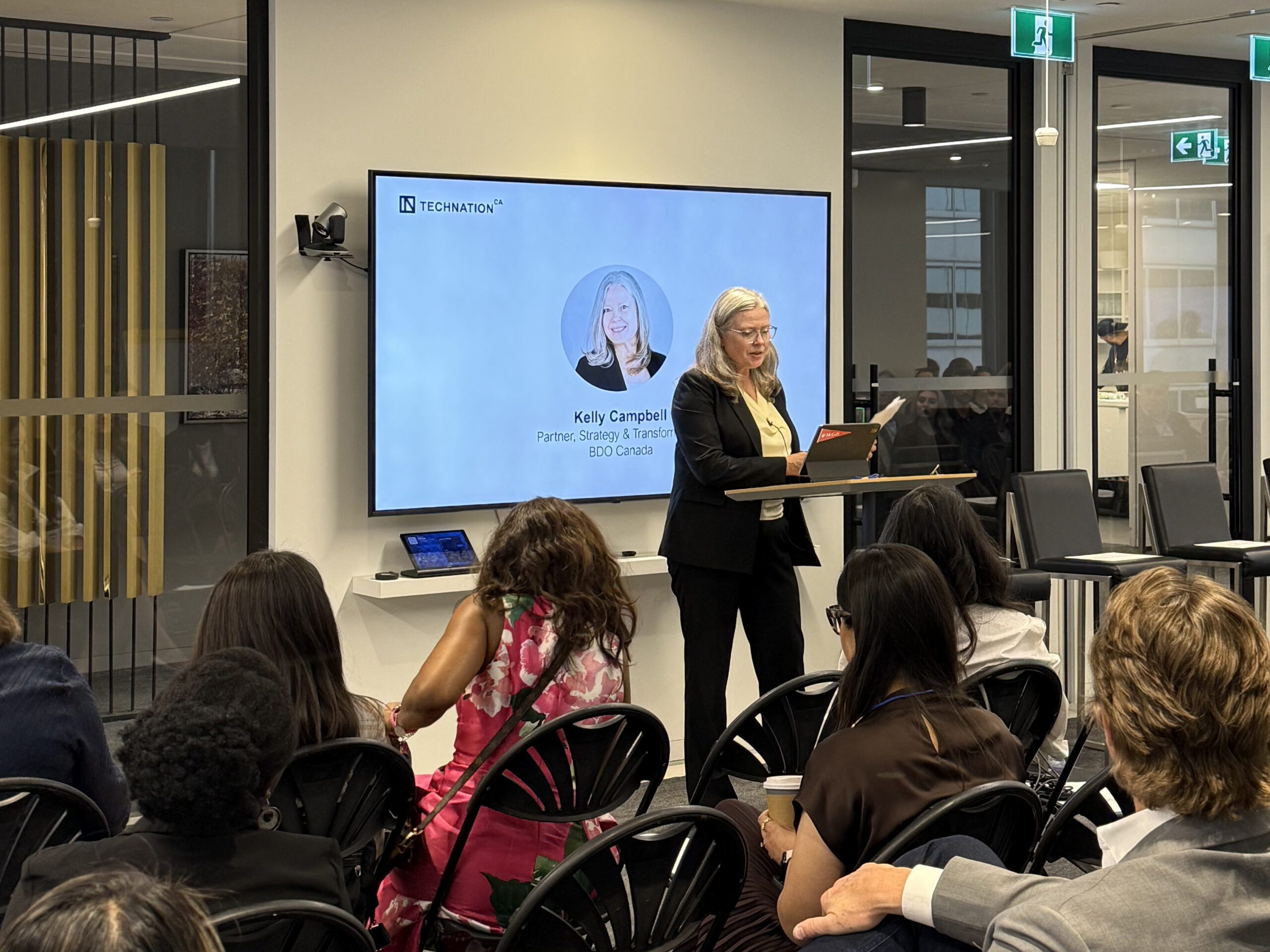
On September 15, TECHNATION hosted Trust & Accountability: Governing AI to Deliver Public Value, part of its Women in Leadership event series. As artificial intelligence moves from pilot projects to enterprise-wide implementation, one question is becoming increasingly urgent for public sector leaders: how do organizations harness AI’s potential while maintaining the trust of the people they serve?
We brought four Ontario Public Sector leaders together to discuss what it takes to move beyond experimentation and deliver meaningful, measurable outcomes with AI.
The conversation began with a recognition that AI is no longer a future consideration. Across government, ministries are actively evaluating where AI can improve services, streamline operations, and support better decision-making. But as adoption accelerates, so does the need for strong governance, clear accountability, and thoughtful leadership.
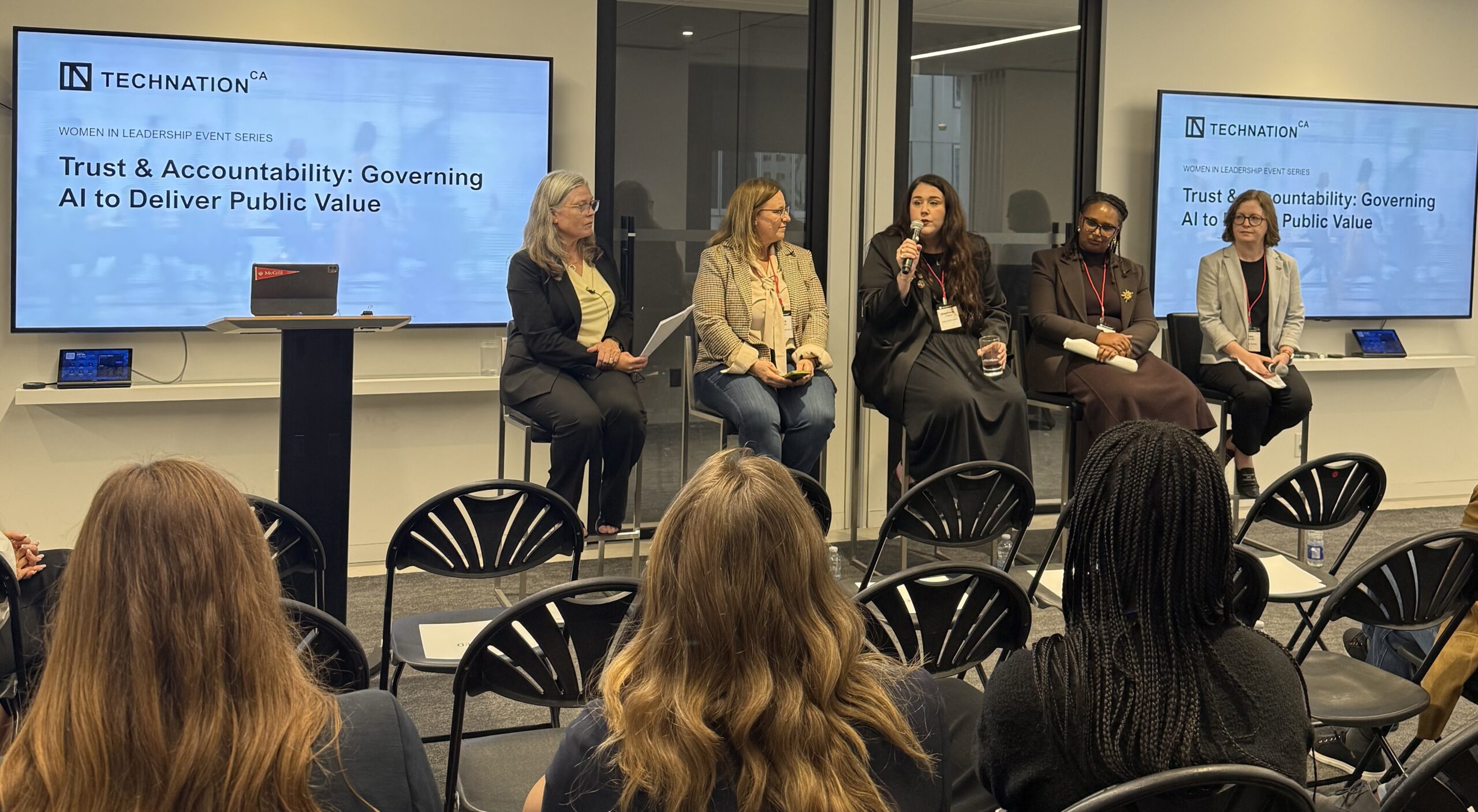
As Katy Lalonde, Chief Digital and Data Officer at Supply Ontario, noted, “You have to understand the problem you’re trying to solve, who it benefits and what your user research tells you. From there, you can put the right foundations in place to use AI safely and responsibly,” highlighting the importance of establishing strong foundations before moving from experimentation to implementation.
Throughout the discussion, speakers emphasized that success with AI begins long before deployment. The most effective implementations start with a clear understanding of the problem being solved and the value being created.
Rather than asking what AI can do, organizations should first ask where it can have the greatest impact. Speakers shared examples of how public sector teams are focusing on targeted, high-value opportunities while ensuring that governance, privacy, and risk considerations are built into the process from the beginning.
Sirad Mohamoud, Director and Deputy Registrar General of the Vital Events Registry Services Branch at ServiceOntario, spoke to the responsibility that comes with introducing AI into citizen-facing services. “We need the right governance to ensure we’re not holding innovation back, while also being really careful. At the end of the day, we are beholden to the public, and with every interaction and every project, we either gain a little bit of trust or erode it,” she said, underscoring the importance of balancing innovation with accountability and maintaining public trust.
That balance between innovation and accountability remained a recurring theme throughout the afternoon. The panel explored how governance frameworks are evolving to keep pace with rapidly changing technologies and why governance should be viewed not as a barrier to innovation, but as an enabler of it.
For many organizations, this means establishing clear decision-making structures and ensuring that accountability extends beyond technology teams. Ownership of AI outcomes must be shared across policy, operations, product, and leadership functions.
Reflecting on this shift, Stephanie Oldfield, Director of Community Safety and Corrections Policy at the Ministry of the Solicitor General, observed that “People need practical guidance, examples and a place to ask questions. If we want AI to be used in ways that are helpful, we need to help people understand what to think about and when,” reinforcing the importance of giving teams the guidance and support needed to put AI governance into practice.
The conversation also highlighted the importance of cross-functional collaboration. Delivering public value through AI requires diverse perspectives and expertise, particularly when solutions have the potential to affect citizens at scale.
Dara Renton, Assistant Director, Product, at the Ministry of Colleges, Universities, Research Excellence and Security, emphasized the role of multidisciplinary teams in driving successful outcomes. “We need people on the policy side to become more technically fluent, and technologists to better understand the broader context in which they’re delivering technology. Our first step is to start closing that gap,” she shared, illustrating the importance of bridging policy and technology expertise as AI initiatives move forward.
One message emerged clearly from the discussion: trust is not an outcome of AI adoption. It is a prerequisite for it.
From selecting the right use cases to establishing governance frameworks and measuring success, every decision contributes to building confidence in how AI is developed and applied. The organizations that will realize the greatest value from AI are those that embed trust, accountability, and transparency into every stage of the journey.
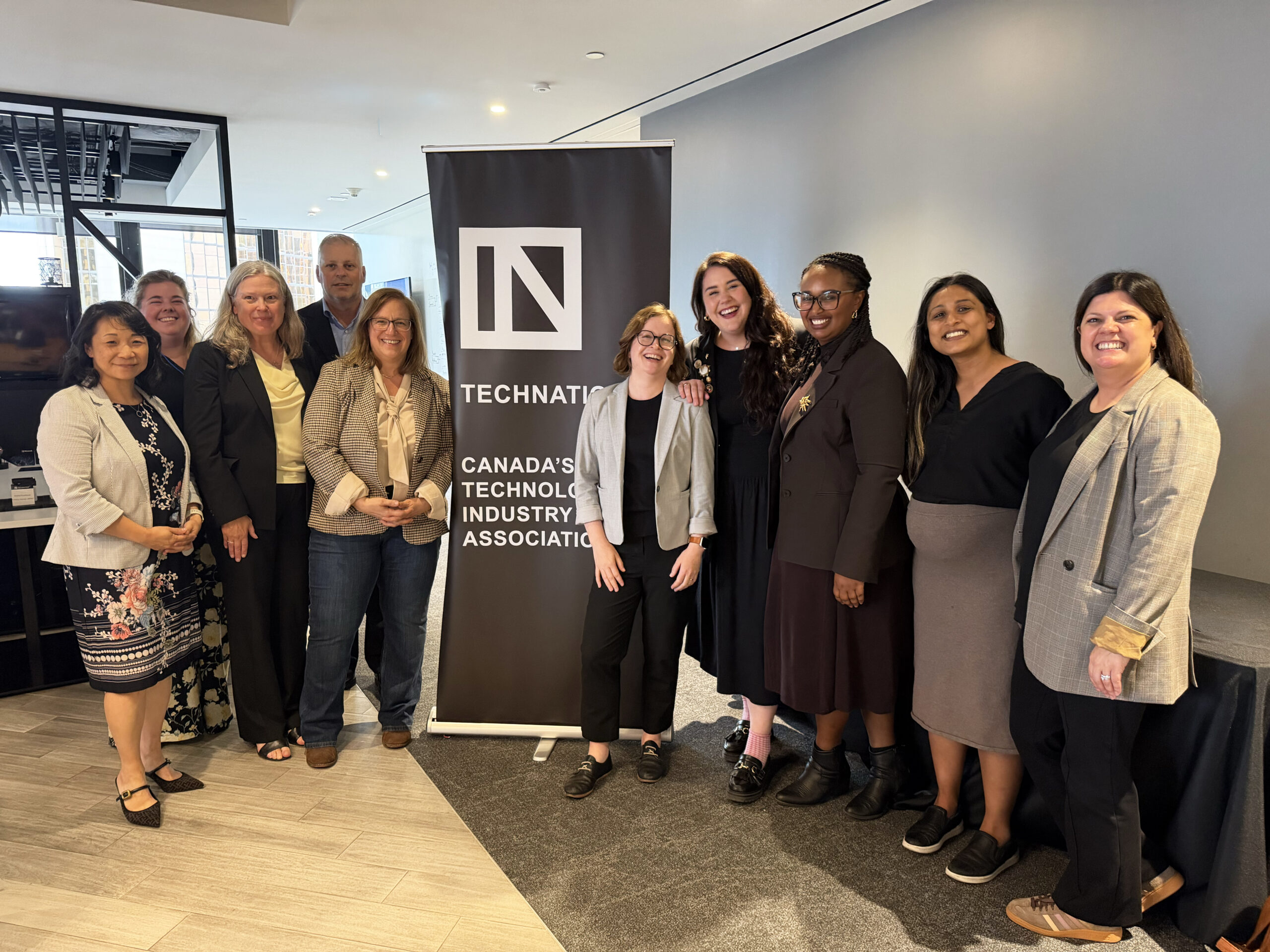
Thank you to Katy Lalonde, Sirad Mohamoud, Stephanie Oldfield, and Dara Renton for sharing their insights and experiences, and to everyone who joined us in Toronto and virtually for a thoughtful discussion on the future of AI in the public sector.
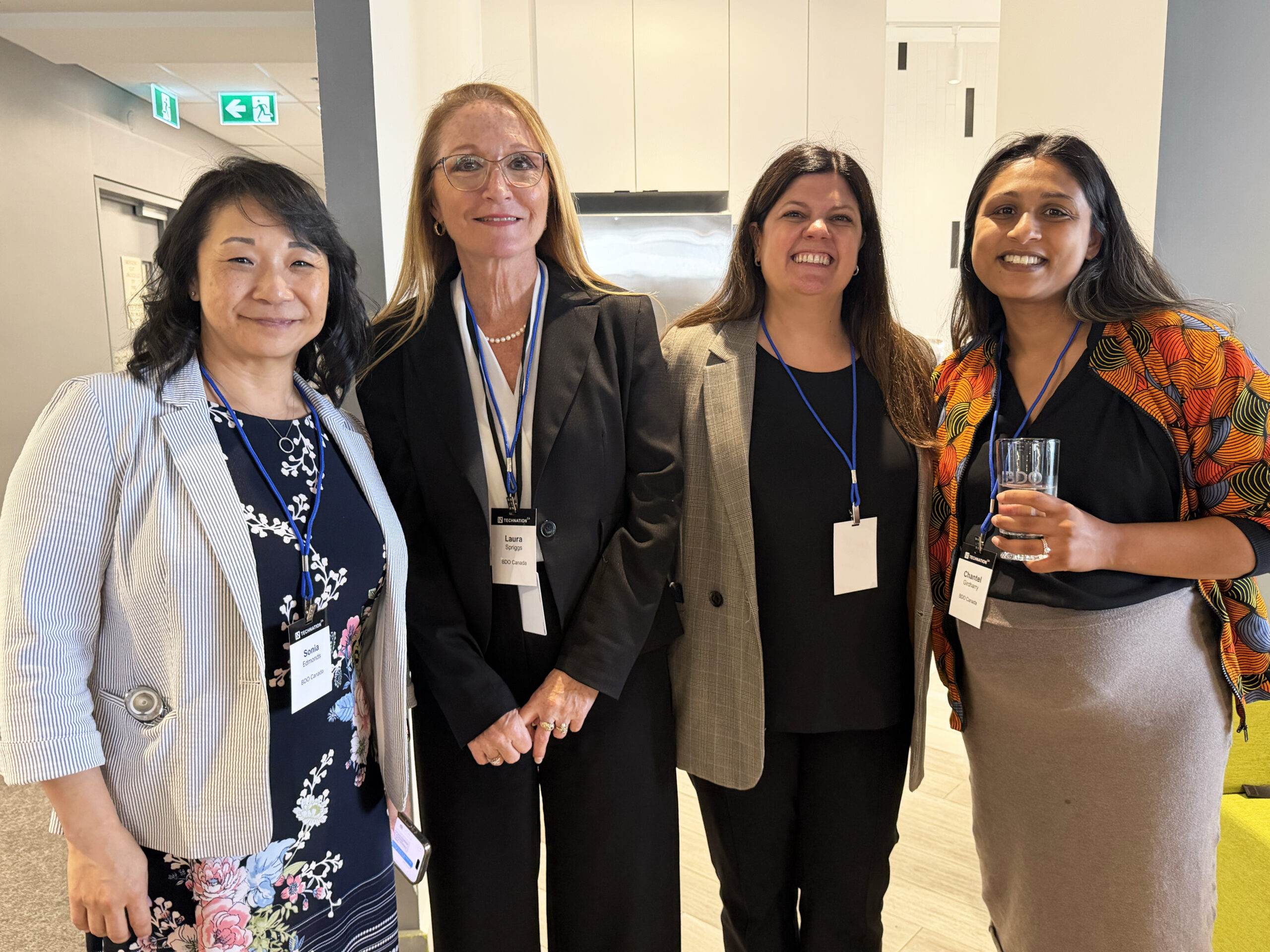
Thank you as well to our co-host sponsor and reception hosts, BDO Canada, VIP Meet and Greet Sponsor, Accenture, and Anna Leon, one of TECHNATION’s longstanding Diversity champions, for her ongoing advocacy for the Women in Leadership Series.
As organizations continue to navigate this evolving landscape, the conversation reinforced that responsible innovation is not just about what AI can do, but about how it is governed, managed, and ultimately used to deliver better outcomes for citizens.