GovTechON CIO Briefing Explores the Path to a Secure, Resilient and Digitally Enabled Ontario
 For over 17 years, TECHNATION and GovTechON have partnered to deliver a bi-annual GovTechON CIO Briefing event, designed to bring government and industry leaders together around a shared goal: advancing Ontario’s digital future.
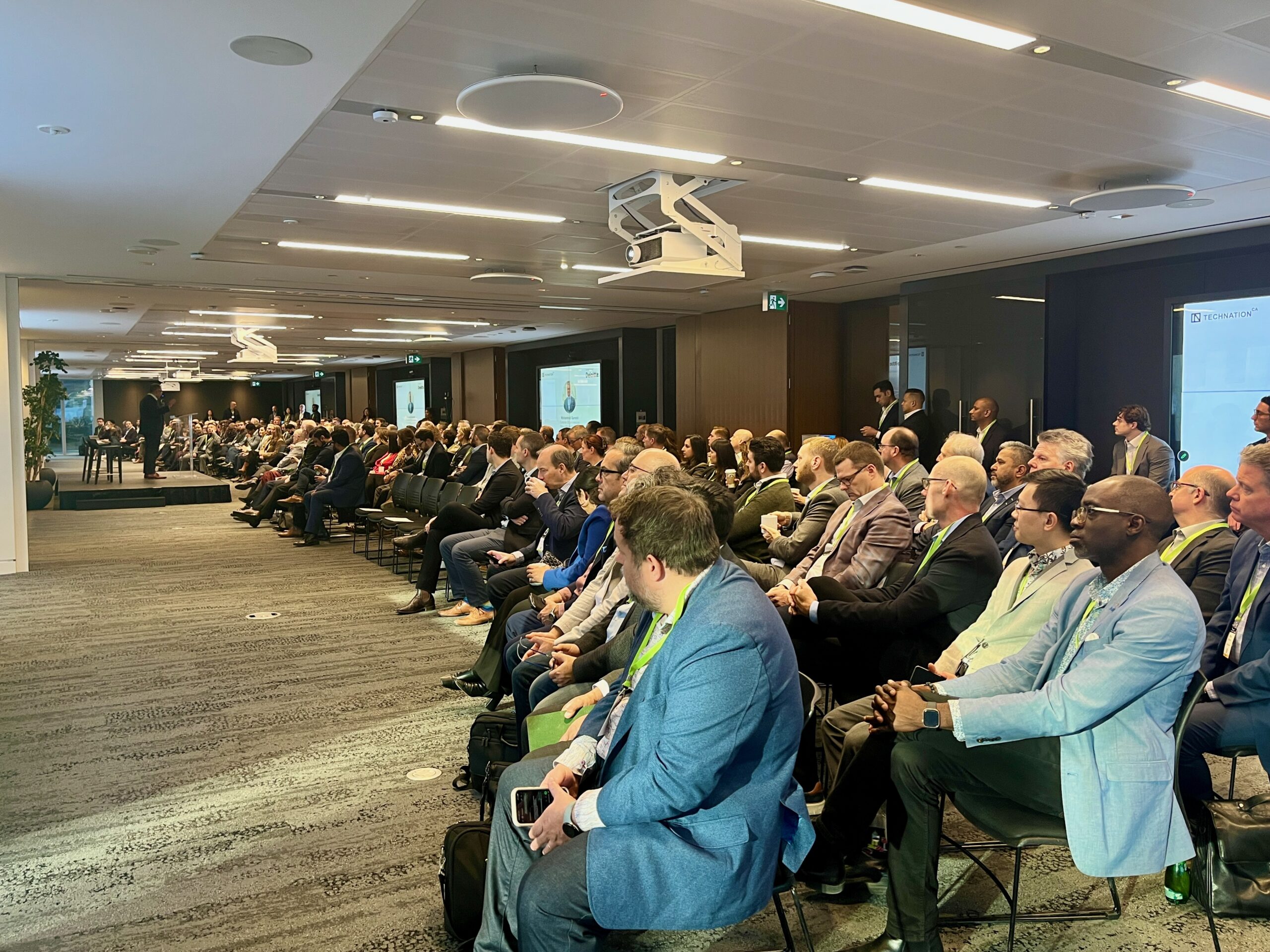
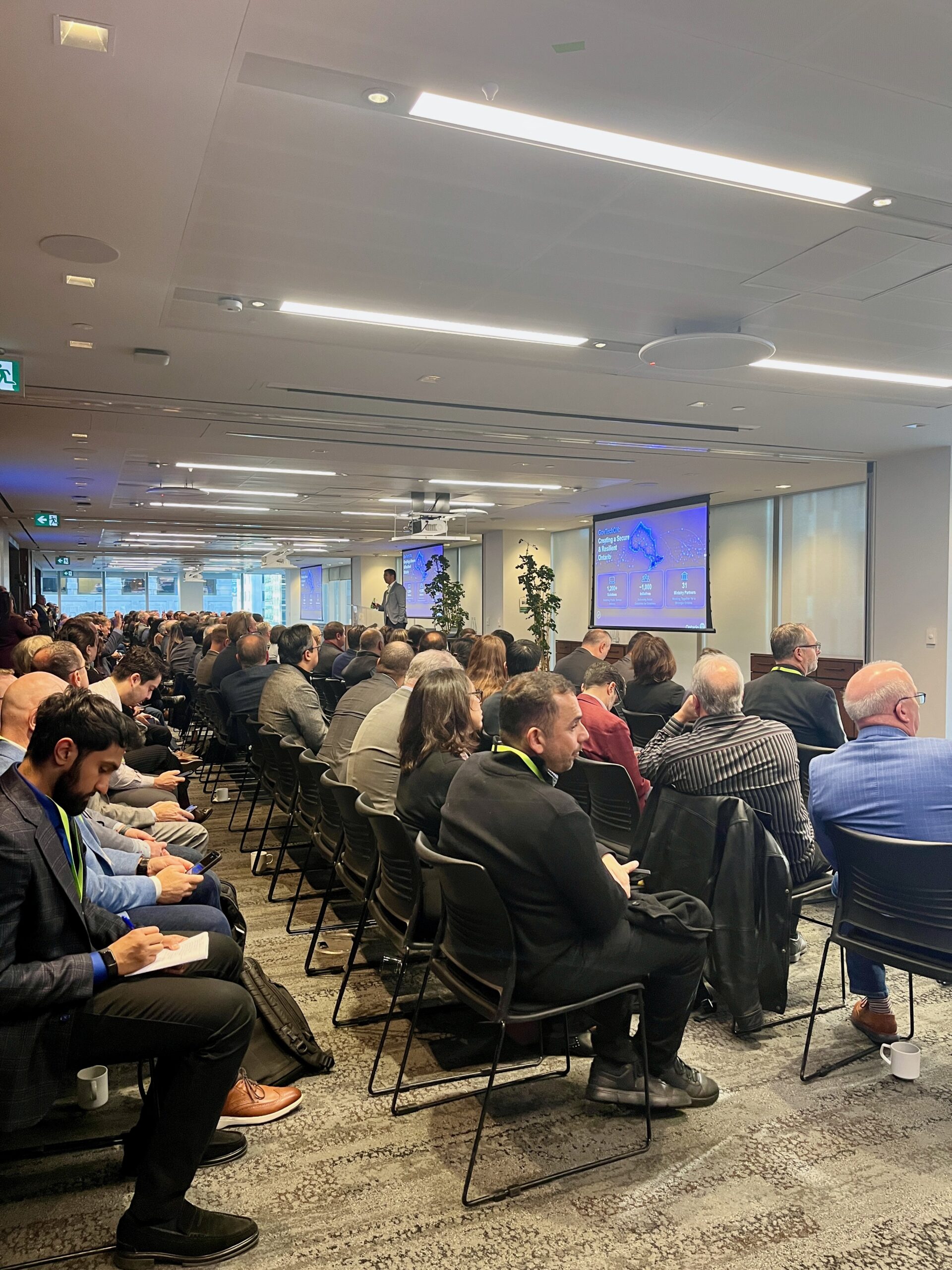
On November 24, that conversation continued as over 200 public sector executives, technology leaders and innovators gathered in Toronto, and close to 150 more virtually, for the latest GovTechON CIO Briefing: Building a Secure and Resilient Ontario. The briefing focused on a central question: What capabilities and partnerships will Ontario need to build a resilient, digitally enabled Ontario?
Through video remarks, the Honorable Stephen Crawford, Minister of Public and Business Service Delivery and Procurement, shared: “the question is not if digital transformation will continue, it’s about how quickly we can responsibly adopt these rapidly evolving advancements.”
Mohammad Qureshi, Corporate Chief Information Officer and Associate Deputy Minister, GovTechON, echoed the minister’s remarks, highlighting the ministry’s shift in mindset from adopting technology to rethinking how work is done across government. He shared how multiple ministries across government have shifted from effort-based to outcomes-based initiatives to better address the “big boulders and rocks,” while advancing connected services, investments, and policies that allow government to move at the scale required.
Technology, Resilience and Readiness for the Future
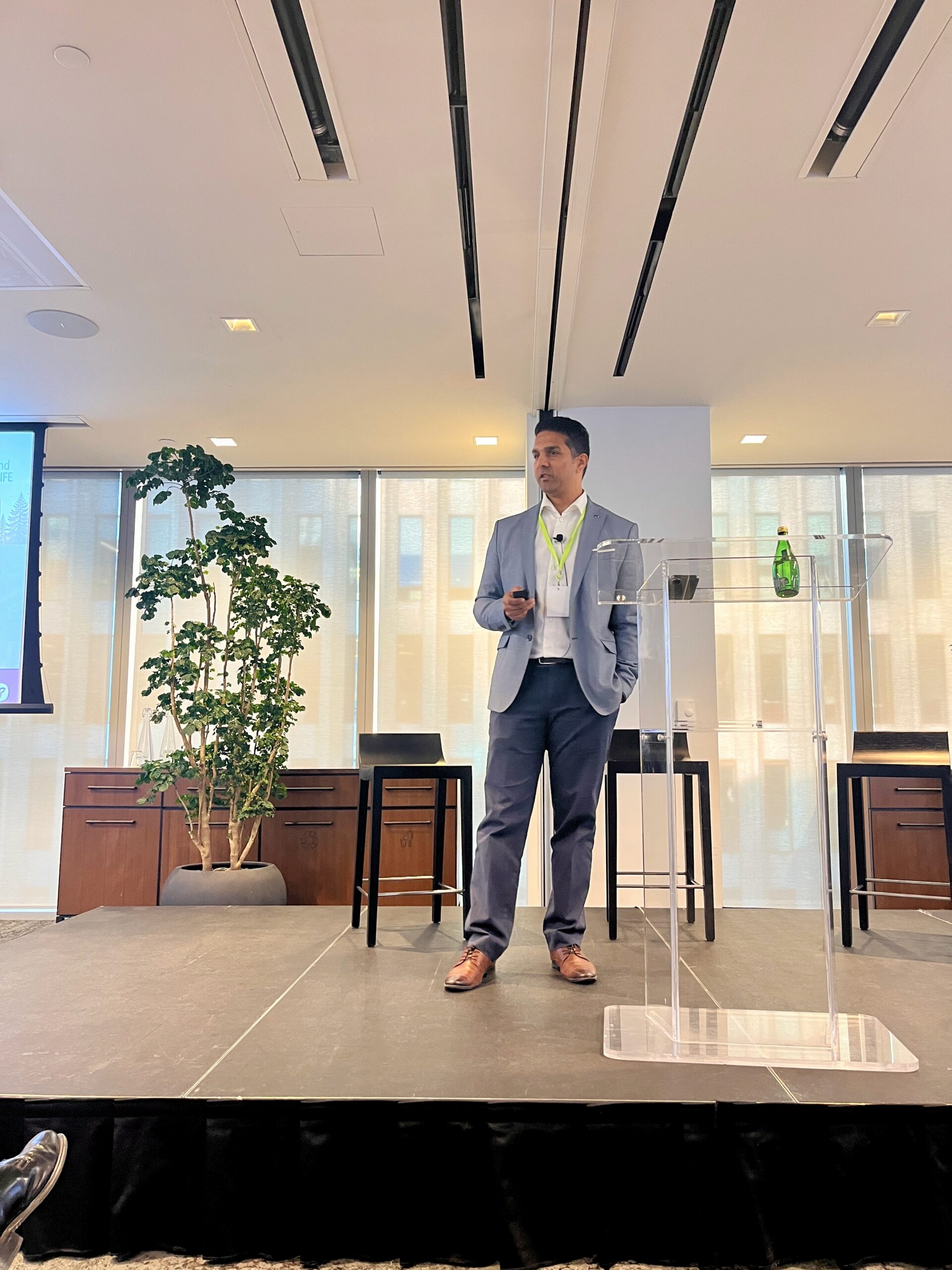
The morning’s forum opened with presentations from Ontario’s Ministry of Public and Business Service Delivery and Procurement (MPBSDP) speakers Roy Thomas, Assistant Deputy Minister, I&IT Enterprise Solutions Division, followed by Mike Amato, Chief Information Officer and Assistant Deputy Minister, Infrastructure, Technology and Operations Division; Kara Beckles, Assistant Deputy Minister, Artificial Intelligence Division; and Daniela Spagnolo, Chief Information and Security Officer, Cyber Security Division.
Sharing real case studies, their presentations shared how they’re modernizing and building connected services for Ontarians and explored the role technology plays in Ontario’s economic priorities, public service delivery and long-term resilience. They also highlighted the capabilities that will be essential to delivering on Ontario’s ambitions, including cyber security, AI, digital assurance, and talent retention.
A recurring theme throughout the presentations was the need to balance innovation with trust and security. As emerging technologies create new opportunities to improve services and drive better outcomes for Ontarians, government leaders emphasized the importance of building systems that are resilient, secure and responsive to evolving risks.
“What’s the problem we’re solving for?” Speaking on the critical role of talent development and cross-sector collaboration to address a problem to deliver meaningful outcomes. Kara Beckles noted, “we need the right skills all across the economy – that includes the executives who ask the right questions, and all employees to up their game in terms of digital literacy, as well as the specialized talent.”
What Does Digital Resilience Look Like in Practice?
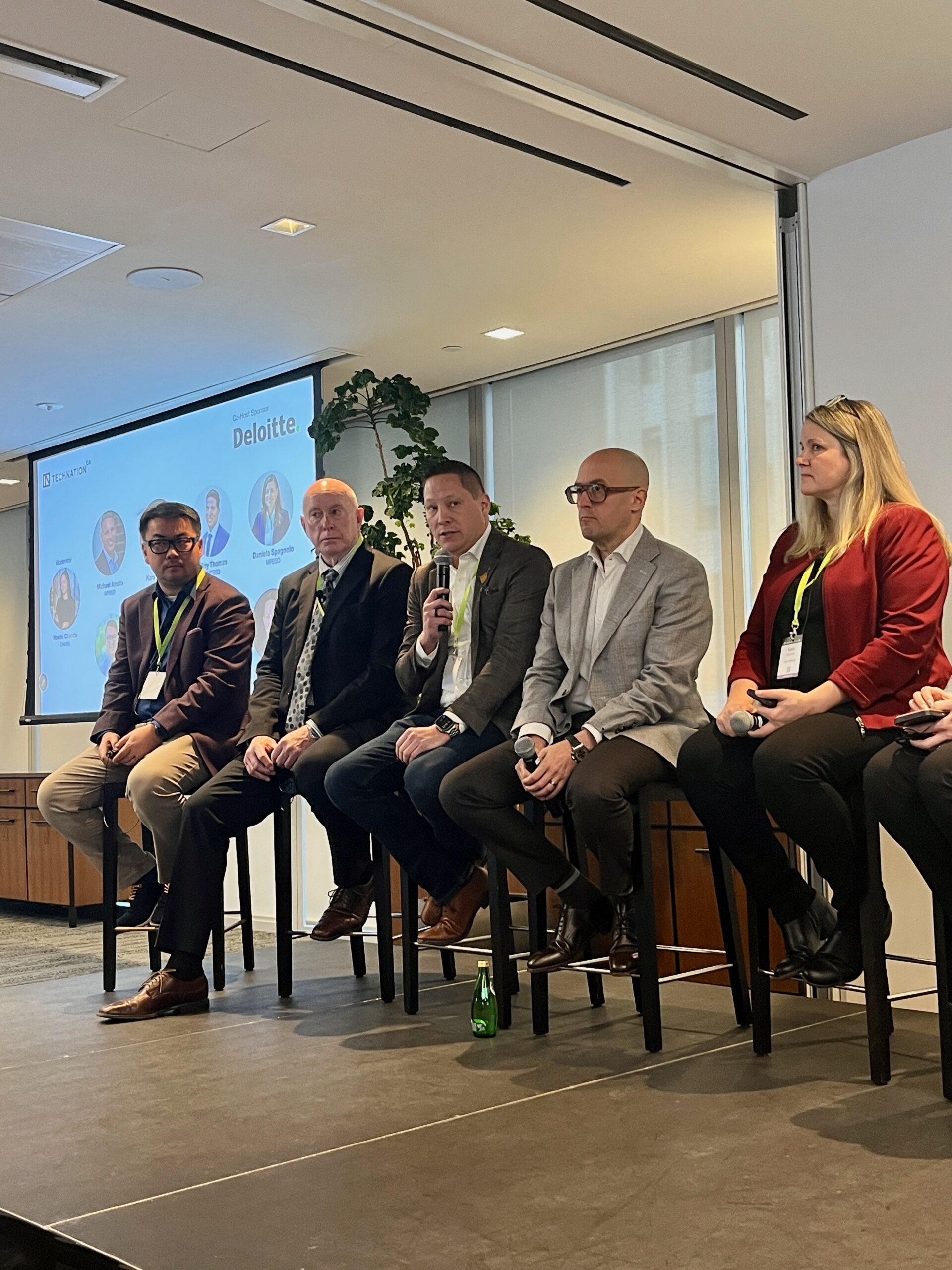
The event’s featured panel, Building a Resilient and Self-Reliant Digital Ontario, brought together senior leaders from government and industry to explore how Ontario can strengthen its digital capabilities while responding to emerging opportunities and risks.
Moderated by Noemi Chanda, Partner, National Leader for Digital Trust & Privacy, Deloitte, the panel examined key challenges and opportunities including digital assurance, resilience and risk, talent and skills, and public-private collaboration.
MPBSDP speakers were joined by industry panelists Robert Masse, Canadian Market Unit Leader for Cybersecurity, Accenture; Shan Gu, Founder and CEO, Foci Solutions; Kevin McConomy, Director, Ontario Public Sector, Infosys Public Services Canada; and Denis Villeneuve, Cyber Resilience & Connectivity Practice Leader, Kyndryl Canada, to discuss what digital assurance or self-reliance means in practical terms and how organizations can build confidence in the technologies, systems and supply chains that increasingly underpin public services and economic growth.
The conversation emphasized that resilience is not achieved through technology alone, but through a shared roadmap grounded in strong governance, trusted partnerships and a commitment to preparedness. Panelists highlighted the importance of working more efficiently across organizations, fostering collaboration, and building public trust and confidence in digital services.
As dialogue shifted to modernization efforts, speakers considered the challenges of transforming legacy infrastructure while maintaining security, operational stability and service continuity. Panelists reflected on the risks associated with aging systems and the importance of balancing speed of innovation with responsible implementation.
The discussion also explored the opportunities and risks emerging from advances in AI and other transformative technologies. Participants highlighted the importance of proactive planning, continuous cybersecurity vigilance and collaboration between government and industry to ensure Ontario remains well-positioned to respond to future challenges.
Another key theme was talent. Speakers discussed how evolving technologies are reshaping workforce requirements and examined strategies for attracting, developing and retaining the specialized skills needed to support Ontario’s digital ambitions. Shan Gu shared his perspective on the need for Ontario to build our capacity: “We need to shift from being a net buyer of technology to a net builder of talent.”
Speakers emphasized that we have a good talent pipeline in Canada, but Kara Beckles noted that we need to shift the way we approach it: “digital isn’t just a job that’s done in IT shops.”
Looking ahead, panelists emphasized that unlocking Ontario’s digital future will require deeper government-industry collaboration built on trust, shared investment, and a willingness to challenge traditional approaches. By aligning around common outcomes and bringing bold ideas to the table, both sectors can work together to accelerate innovation, strengthen resilience, and deliver greater value for Ontarians.
Collaborating to Drive Ontario’s Digital Future
Throughout the morning, one theme remained consistent: building a secure, resilient, and digitally-enabled Ontario is a shared responsibility.
As technology continues to become more deeply embedded across public services, economic development and critical infrastructure, success will depend on strong partnerships between government and industry, informed by shared expertise, mutual trust, and aligned priorities.
The GovTechON CIO Briefing once again demonstrated the value of bringing Ontario’s public sector and technology ecosystem together to exchange ideas, address challenges and identify practical paths forward. Through continued collaboration and open dialogue, Ontario is strengthening the foundations for secure, trusted, and innovative digital services. TECHNATION and its members look forward to working alongside our government partners to continue to advance these priorities and help shape Ontario’s digital future.